How the crews are built
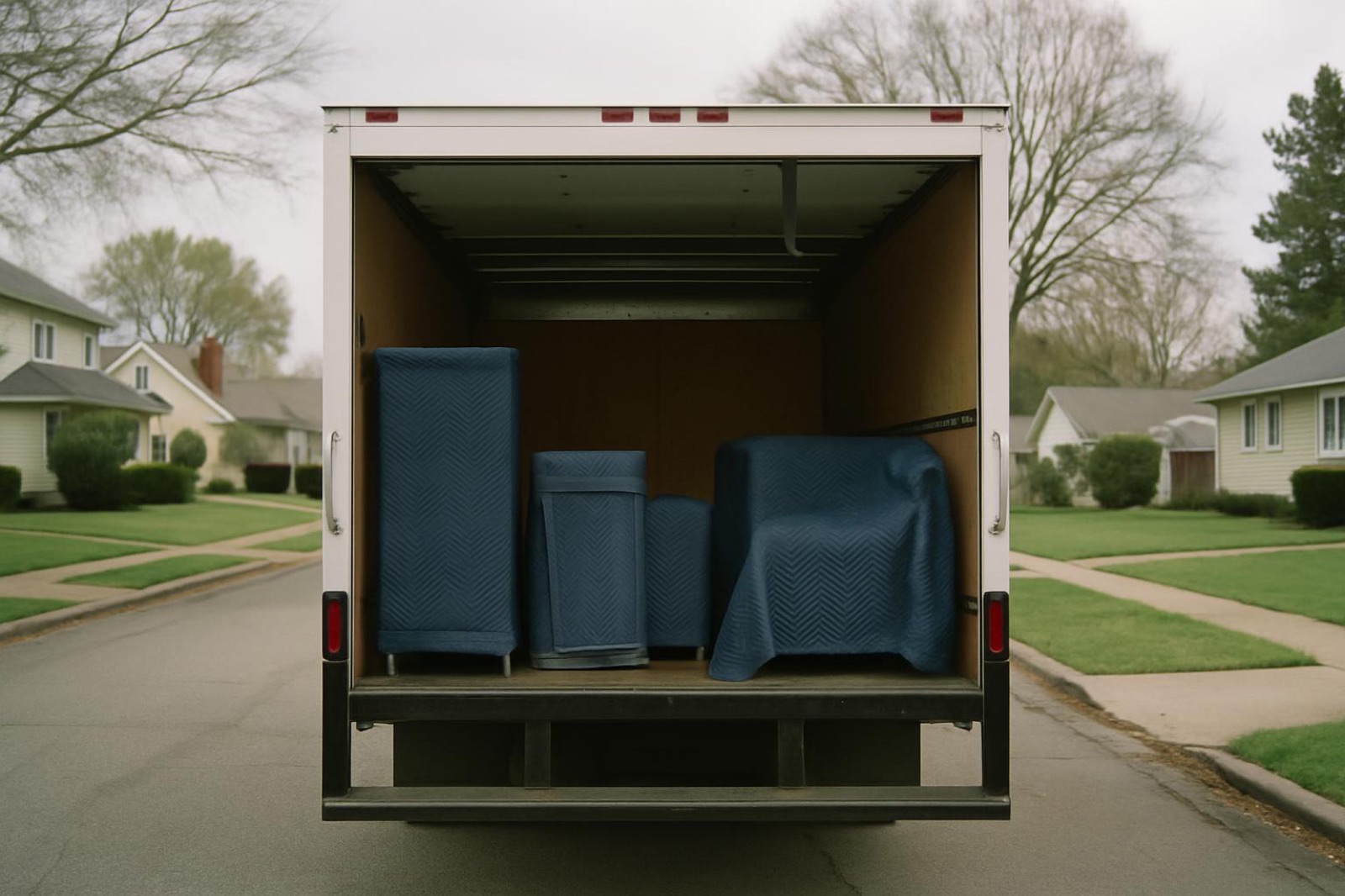
Every job has a lead who has run enough moves to know when a plan needs adjusting, and movers who have gone through training on wrapping, lifting, and building a load properly. New people spend their first days learning to pad furniture and build a tight load before they ever walk into a customer's home.
Nate oversees the crews day to day and is usually the one doing the initial walk-through on larger jobs, so the person quoting the work is often the same person making sure it gets done right.
Why the walk-through comes first
Every estimate starts with a look at the actual house or apartment, either in person or on a video call where you carry the phone from room to room. Guessing crew size from a bedroom count leads to trucks that are too small or too large, and both cost you time or money.
The walk-through also surfaces the details that change a job, a piano, a hot tub, a third-floor walk-up, or a narrow gate that a full-size truck cannot clear.
Working the North Bay every week
We move within Vallejo constantly, but the crews also know Benicia's historic downtown, the newer streets of American Canyon, and the drive up I-80 toward Fairfield and Vacaville well enough to plan around them without guesswork.
That local knowledge shows up in small ways, knowing which Vallejo apartment complexes need an elevator reservation, which Benicia blocks have tight alley access, and when the Carquinez Bridge backs up on a weekday morning.
What we ask of ourselves
Show up in the agreed window, protect the house the same way at the start and the end of the job, and tell you plainly if something is not going to fit through a doorway before we try forcing it. If a problem does come up during a move, the lead deals with it directly rather than leaving you to figure it out.
That is a simple standard, and it is the one we hold every crew to on every job, whether it is a studio apartment near the ferry terminal or a four-bedroom house up in the hills.